Visiting Istanbul in 2025 means stepping into a city that never stops moving yet somehow always knows how to slow you down when it needs to. It’s a place where history sits right next to modern neighborhoods, and where the smell of fresh bread meets the salty air of the Bosphorus. If it’s your first time here, you’ll quickly notice that Istanbul doesn’t reveal itself all at once. Instead, it unfolds gradually—street by street, neighborhood by neighborhood, moment by moment.
This guide walks you through 15 essential experiences, not as quick bullet points or rushed recommendations, but as real, immersive descriptions of what you can expect. Every section gives you a sense of place, atmosphere, and rhythm, so you can picture the experience before you even arrive.
1. Hagia Sophia — Understanding Istanbul Through Its Most Important Symbol
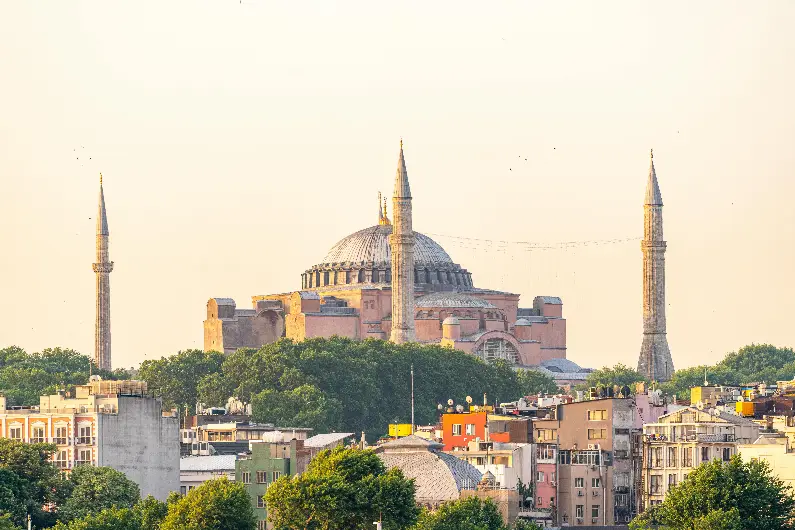
Your first steps inside Hagia Sophia will likely be slower than you expect. Almost everyone walks in at half their normal pace, not because they’re being cautious, but because the space itself asks for silence. The high dome, the dim golden lighting, and the quiet echoes create an atmosphere that feels less like a tourist site and more like a memory you’re trying to understand.
You’ll notice right away that the building carries its past openly. Mosaics that survived centuries of earthquakes share walls with large Islamic medallions added much later. Nothing feels hidden or polished; the walls have cracks, the marble floors are worn down by millions of feet, and the light that enters through the windows looks softer than daylight outside.
As you move through the interior, the scale becomes clearer. The dome seems impossible—how it stands, how it’s still here, how it hasn’t collapsed after all these centuries. You don’t need to know architectural terms or historical dates to feel the weight of this place. It’s enough to stand still for a moment and look up.
You’re not expected to rush here. Hagia Sophia is a building that rewards stillness. Even if you arrive during a busy moment, there will always be a corner, a column, or a shadow that gives you a brief moment alone with the space.
2. The Blue Mosque — A Space That Balances Beauty and Peace
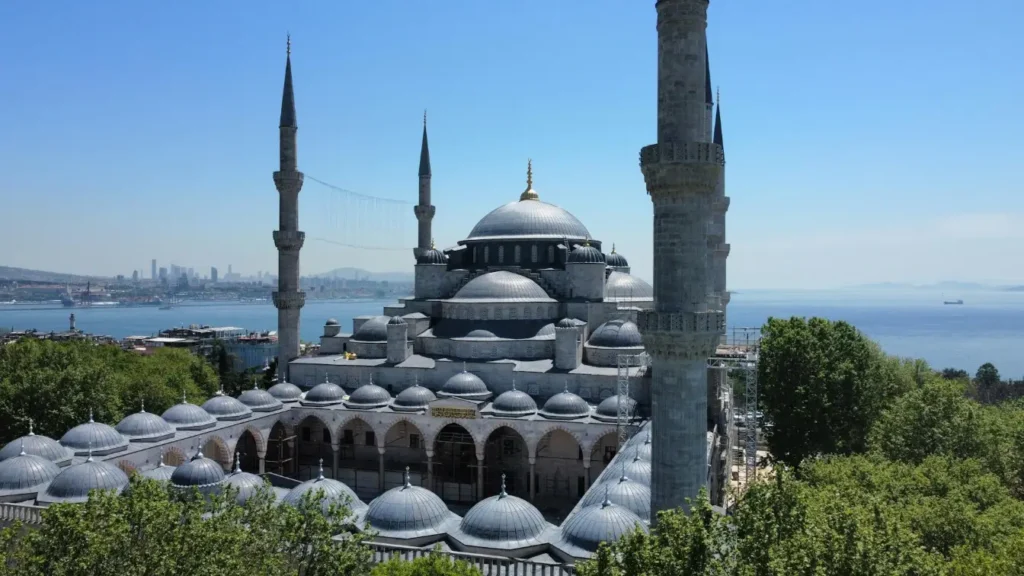
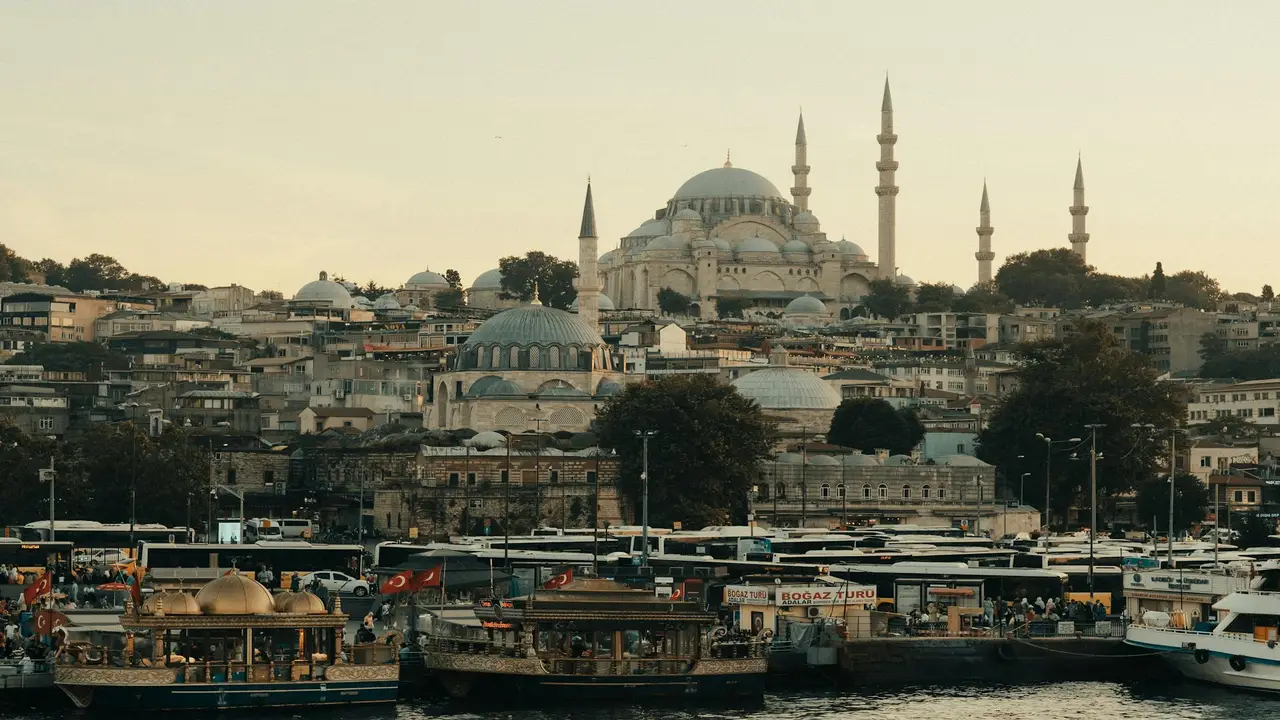
Walking across Sultanahmet Square from Hagia Sophia, you’ll find the Blue Mosque—one of the most recognizable buildings in the world. But despite its fame, the first thing you’ll feel is calm. The courtyard is open and filled with natural light, and the architecture feels balanced in a way that makes you want to take your time.
Inside, the blue tiles don’t jump out at you immediately. Instead, they reveal themselves gradually, in the details. The patterns are soft, the calligraphy curves smoothly across the walls, and the carpet adds warmth to the space. There’s something grounding about the Blue Mosque. It doesn’t overwhelm you—it slows you down.
Because it’s an active mosque, there’s a natural rhythm to the visit. People come and go quietly. Tourists step aside for worshippers. The announcements for prayer echo gently through the courtyard. This sense of living history makes the Blue Mosque feel less like a museum and more like a space that continues to breathe.
3. Topkapi Palace — Walking Through the Daily Life of Ottoman Sultans
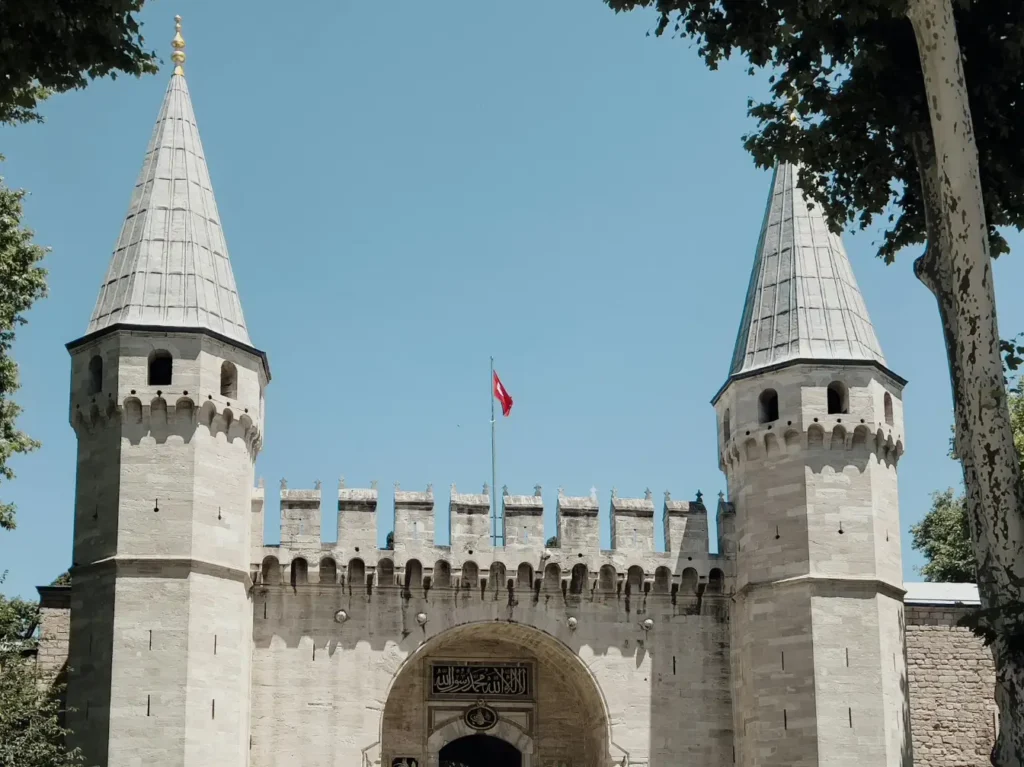
Topkapi Palace is not one building but a series of courtyards, libraries, kitchens, gardens, and private rooms that once formed the heart of the Ottoman Empire. If you only see the palace from the outside, you might underestimate its size — but once you enter, you realize it stretches much farther than expected.
The Harem is the most fascinating part of the palace. It gives visitors a rare glimpse into the private lives of the royal family. The narrow corridors, detailed tiles, wooden ceilings, and quiet rooms make it feel more intimate than the rest of the palace. You can almost imagine daily life happening around you: servants moving through the hallways, voices echoing through the rooms, and the rhythm of palace routines unfolding.
Outside the Harem, the terraces offer panoramic views of the Bosphorus. Stand there for a moment and imagine what the sultans saw every morning — ships crossing the water, the city stretching into the distance, and the empire living beneath their gaze.
Topkapi Palace deserves at least two to three hours. It’s not a place to rush through.
4. The Grand Bazaar — A Marketplace That Has Survived Centuries
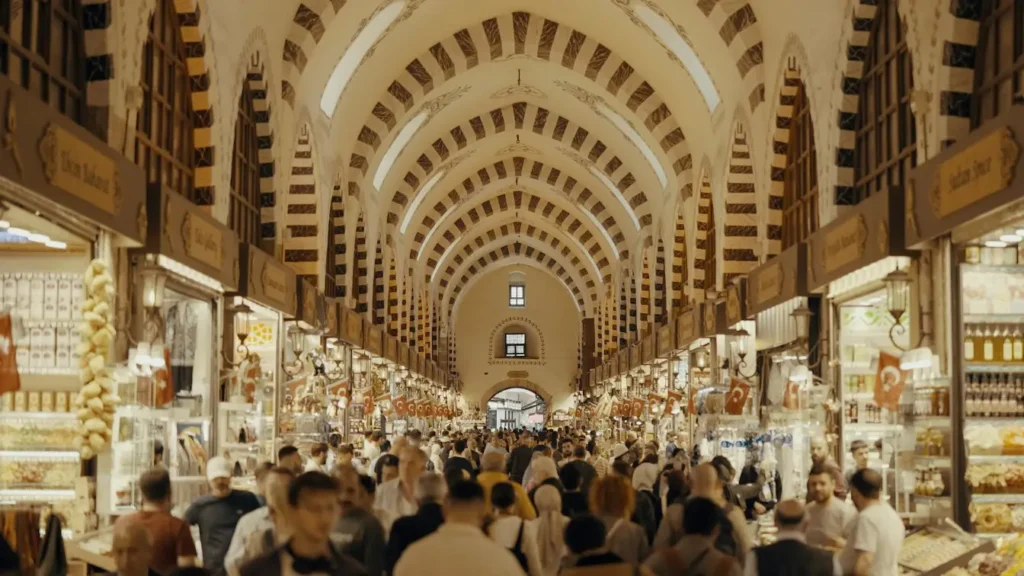
Entering the Grand Bazaar feels like stepping into a living museum. The corridors twist and turn, lanterns hang above the shops, and the energy is steady and loud. But once you walk a little deeper, you start to understand the structure of the place. Each section focuses on a different type of product — carpets, jewelry, ceramics, lamps, antiques — and the sellers are more than just vendors; they are storytellers, negotiators, and tradition keepers.
The most important thing to know about the Grand Bazaar is that you don’t need to buy anything to appreciate it. The market is about watching interactions, hearing voices from different languages, and seeing how trade continues almost exactly as it did centuries ago.
If you want to shop, take your time. Compare prices, ask questions, and don’t hesitate to bargain. It’s part of the culture, and sellers expect it.
5. The Spice Bazaar — Istanbul Through Smell and Flavor
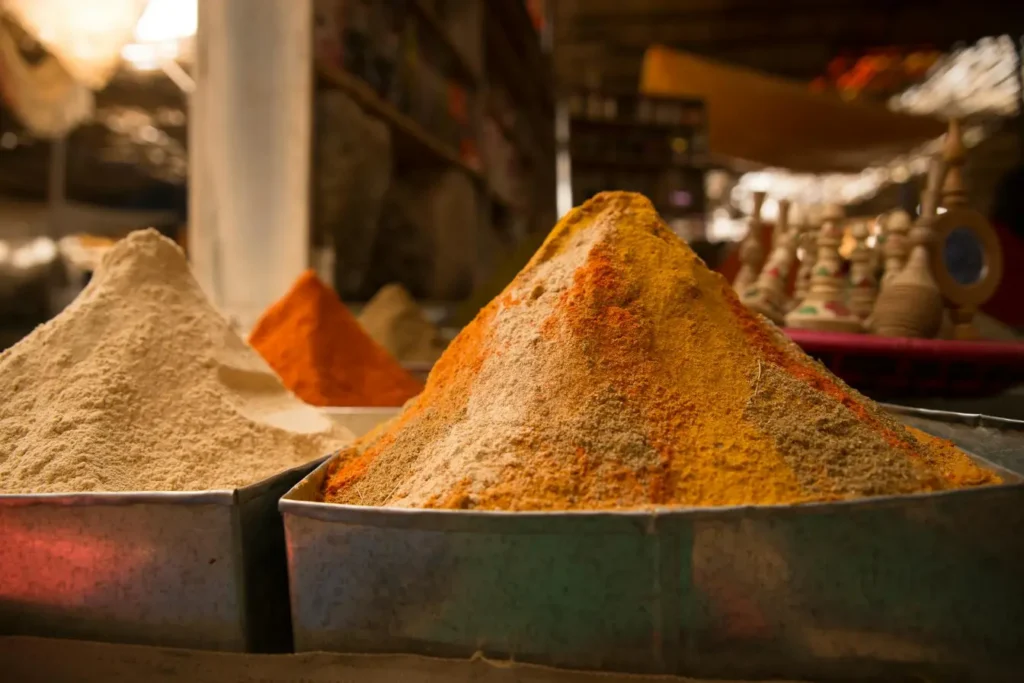
Compared to the Grand Bazaar, the Spice Bazaar is smaller, brighter, and more focused on food. The moment you walk through the entrance, the smell of spices hits you — cinnamon, saffron, sumac, dried fruits, herbal teas, and fresh coffee. The colors are rich: reds, yellows, greens, and golds displayed in open containers.
Even if you don’t plan on buying anything, the Spice Bazaar is a gentle introduction to Istanbul’s culinary world. Vendors often offer samples, explain different blends, or show how certain teas are prepared. Because the market is compact, it’s easy to explore without feeling lost or overwhelmed.
Spend at least 30 minutes here. It’s simple, enjoyable, and helps you connect with the city through taste.
6. A Bosphorus Cruise — Seeing the City from Its Most Beautiful Angle
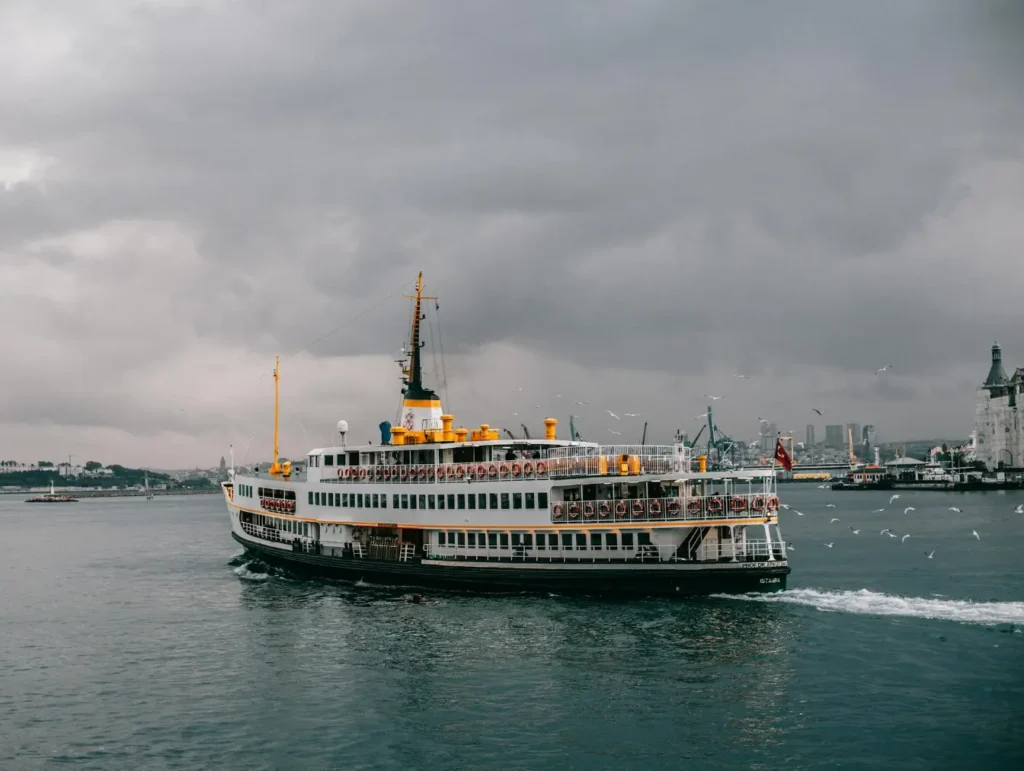
A Bosphorus cruise might sound like a tourist cliché, but once you’re on the water, you realize why nearly every guide recommends it. Istanbul looks different from the sea. The buildings rise above the shoreline, palaces sit quietly near the edge, and the hills create a layered background that changes with the light.
The one-hour public cruise is enough for most travelers. It takes you past Dolmabahçe Palace, old wooden mansions, waterfront neighborhoods, and Asia and Europe sitting side by side. The water is usually calm, and the breeze makes the trip comfortable even on warm days.
Go during the late afternoon. The sunset over the Bosphorus is one of Istanbul’s simplest but most unforgettable scenes.
7. Galata Tower — A Viewpoint That Explains the City’s Geography
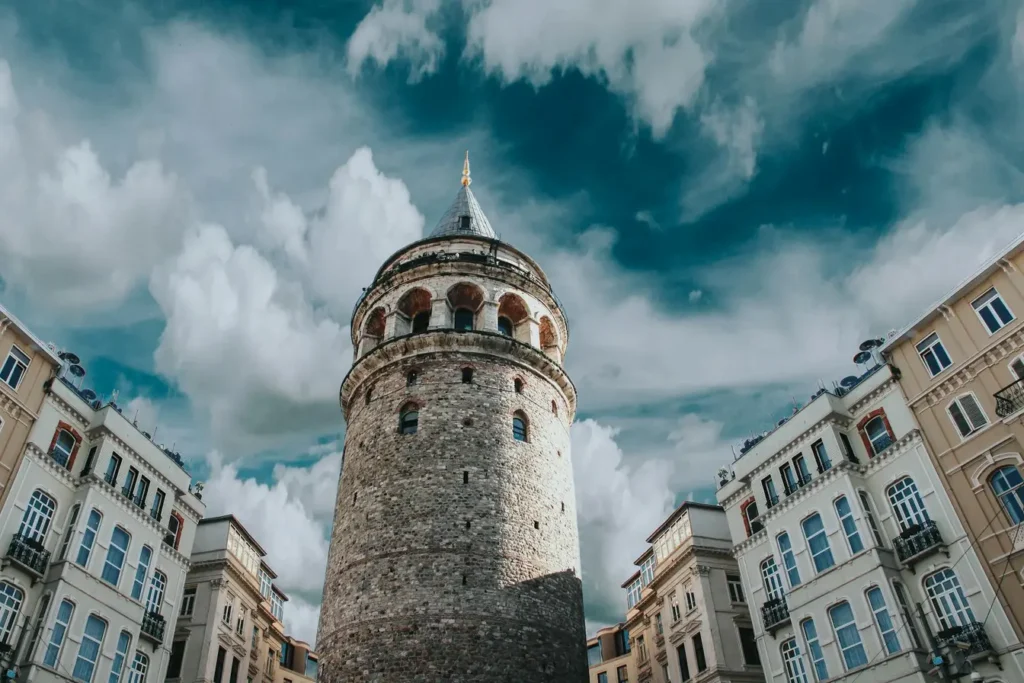
Galata Tower rises above one of the oldest neighborhoods in Istanbul. From the outside, it looks solid and strong. Inside, the climb is easy, and when you reach the top, the view explains Istanbul better than any map.
You can see the Golden Horn separating the two European districts, the Bosphorus cutting between continents, and the deep contrast between modern and historic areas. It’s the perfect overview for understanding how the city is shaped.
Even if you don’t go up the tower, the surrounding area is worth exploring. The cafés, bakeries, and small stores create a relaxed atmosphere that invites slow walking.
8. Istiklal Street — The Heartbeat of Modern Istanbul
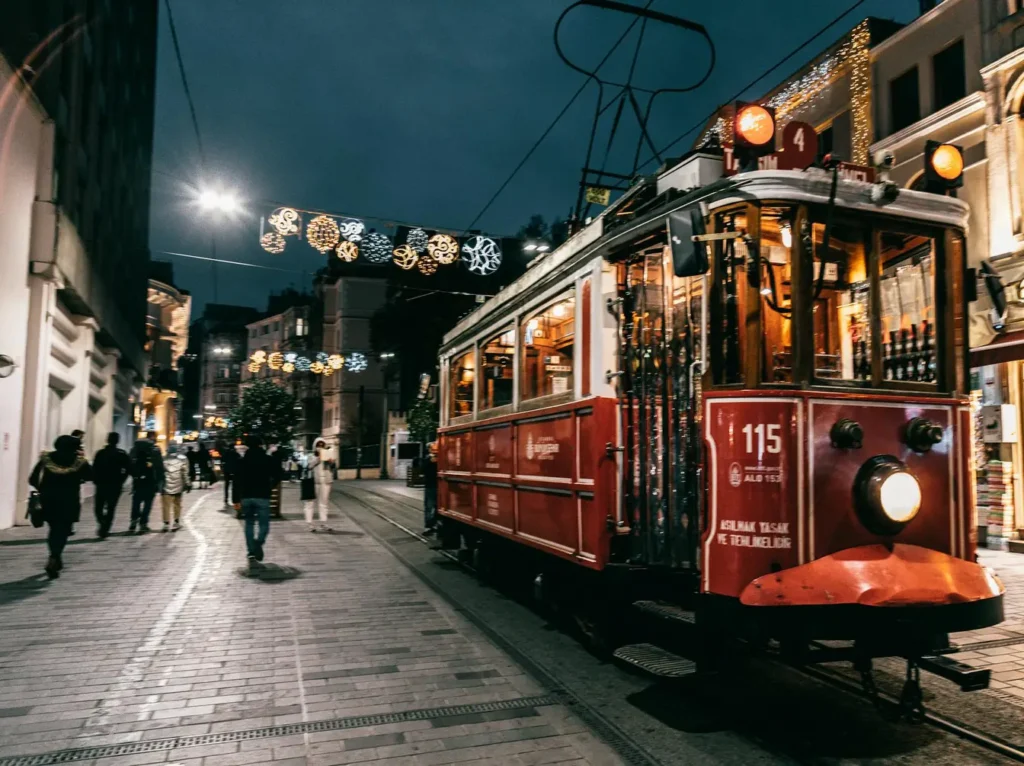
Istiklal Street is a long pedestrian road filled with people nearly all day. The street is a mix of everything — shops, street food, musicians, bookstores, bars, coffee shops, and side alleys leading to quieter neighborhoods. At night, the lights reflect off the buildings, creating an atmosphere that feels both hectic and exciting.
This is where you see the modern, youthful side of Istanbul. Locals meet friends after work, tourists explore without a plan, and the red tram moves slowly through the center. Istiklal is not about specific attractions; it’s about experiencing the movement of the city.
Give yourself at least an hour here. More if you enjoy exploring side streets.
9. Dolmabahçe Palace — A Royal Home with European Influence
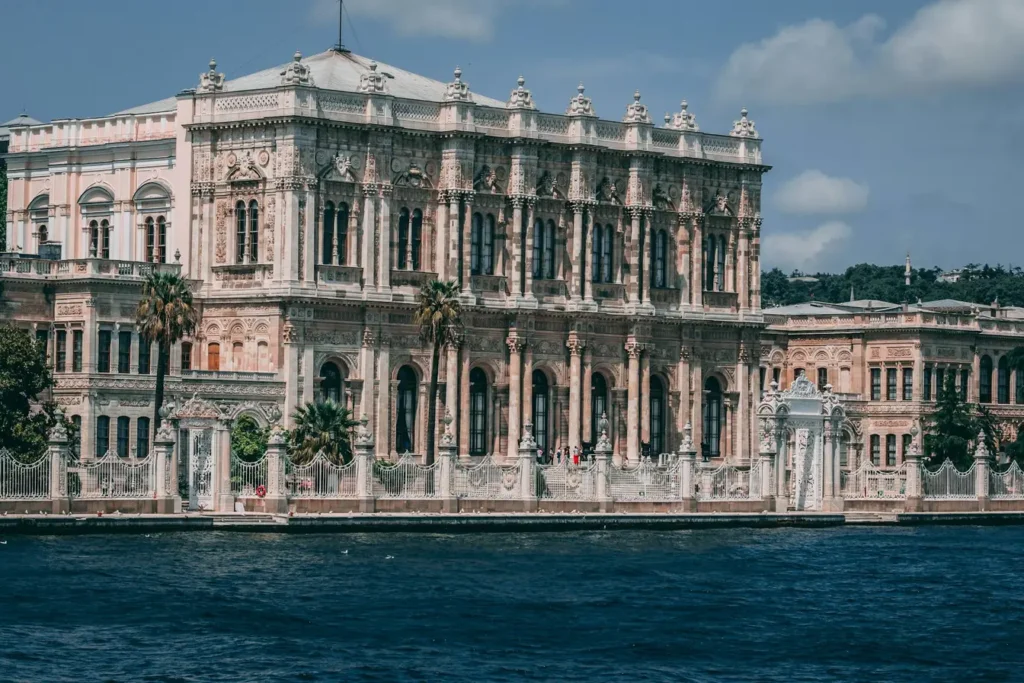
Dolmabahçe Palace is completely different from Topkapi. Built in the 19th century, it looks more like a European palace with modern designs, huge chandeliers, marble staircases, and gold accents. The main hall is enormous — one of the largest ceremonial spaces in the world.
The palace sits directly on the water, and the view alone makes the visit worthwhile. The gardens are quiet, clean, and perfect for a slow walk after the tour.
Plan for one to two hours here. It’s not overwhelming, but it’s rich in detail.
10. Balat — A Neighborhood Filled with Color and Everyday Life
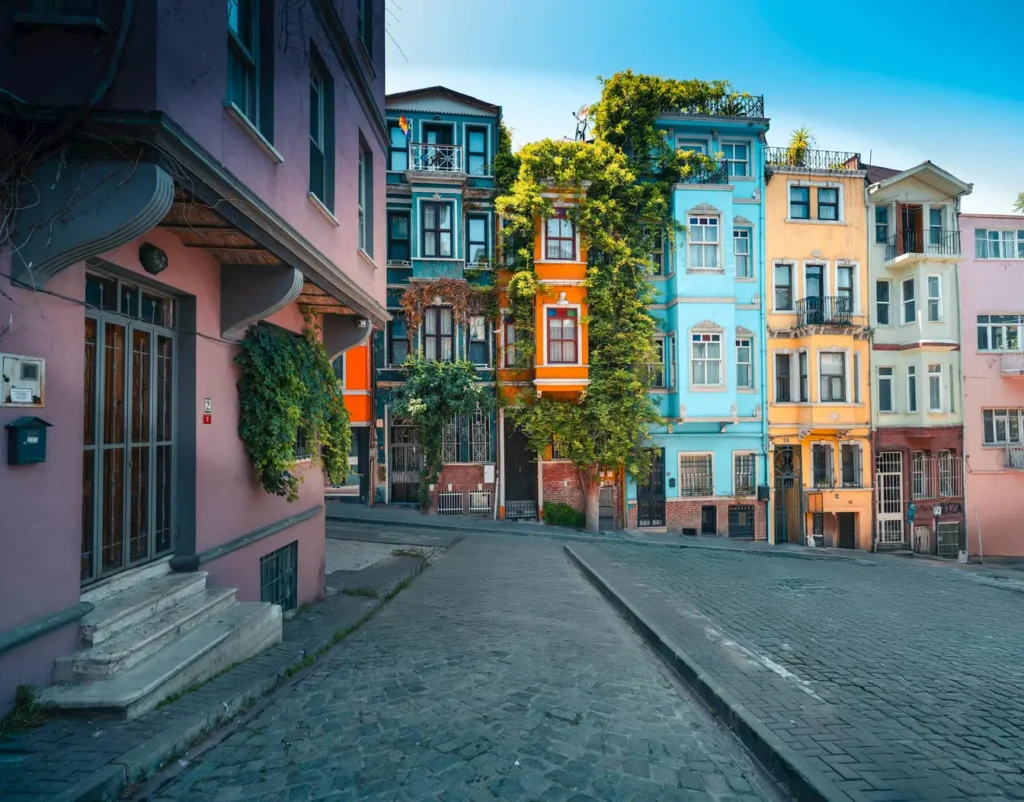
Balat is one of the most photographed neighborhoods in Istanbul, but it still feels local. The houses are bright and colorful, but they are also worn and real, not artificially decorated for visitors. The narrow streets, small cafés, and antique stores make the area ideal for relaxed exploration.
There’s no specific route to follow. Just walk. The charm of Balat comes from the small things — a quiet street corner, a shop selling handmade items, laundry hanging from windows, locals sitting outside drinking tea.
Spend at least an hour here, more if you enjoy photography or slow travel.
11. Ortaköy Mosque — A Small Mosque in a Perfect Location
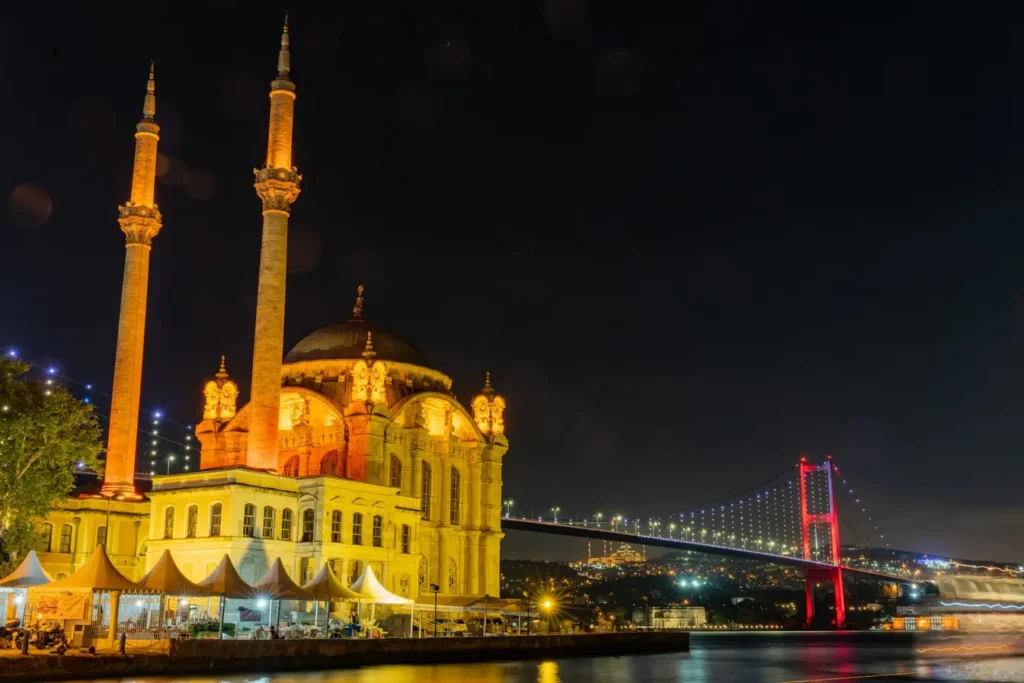
Ortaköy Mosque stands directly on the Bosphorus, with the bridge rising above it in the background. The contrast between old and new architecture makes this one of the most iconic scenes in Istanbul.
The area around the mosque is lively, with cafés, restaurants, and food stalls selling “kumpir,” a baked potato stuffed with toppings. It’s a simple dish, but it’s part of the experience.
Come in the afternoon or early evening for the best lighting and atmosphere.
12. Pierre Loti Hill — A Calm Escape Above the Golden Horn
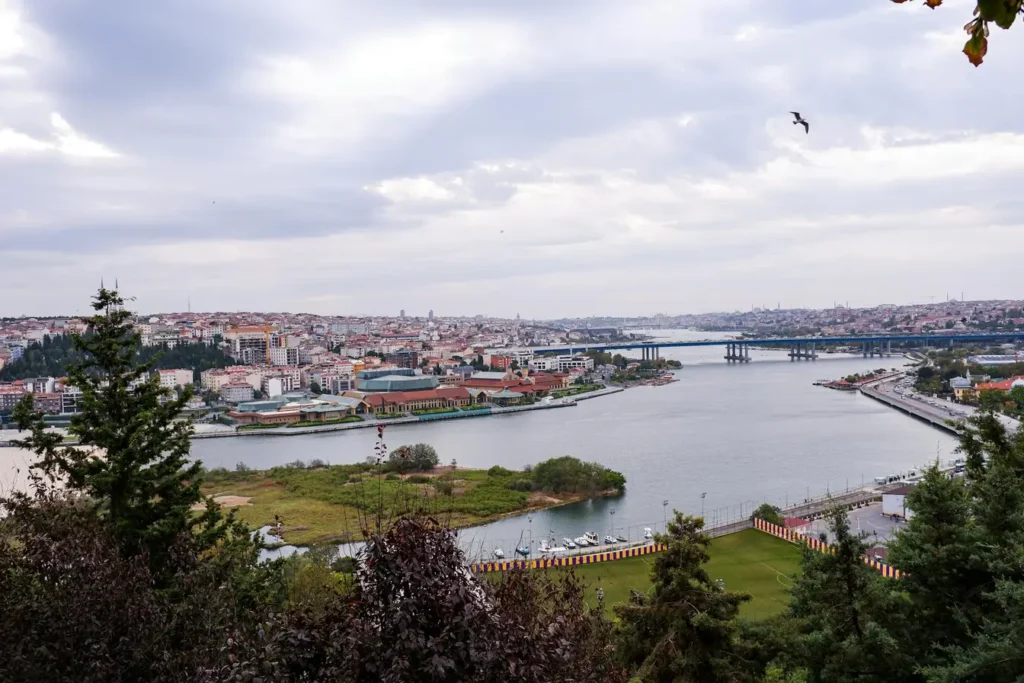
To get to Pierre Loti Hill, you take a cable car up to a small viewpoint overlooking the Golden Horn. The view is wide and peaceful, showing neighborhoods stretching across both sides of the water.
There’s a café at the top where you can sit with tea or coffee. It’s not fancy, but the calm atmosphere makes it one of the most relaxing stops in the city.
Visit in the morning if you want quiet, or at sunset if you want softer light.
13. Kadıköy — A Local and Vibrant Part of Asian Istanbul
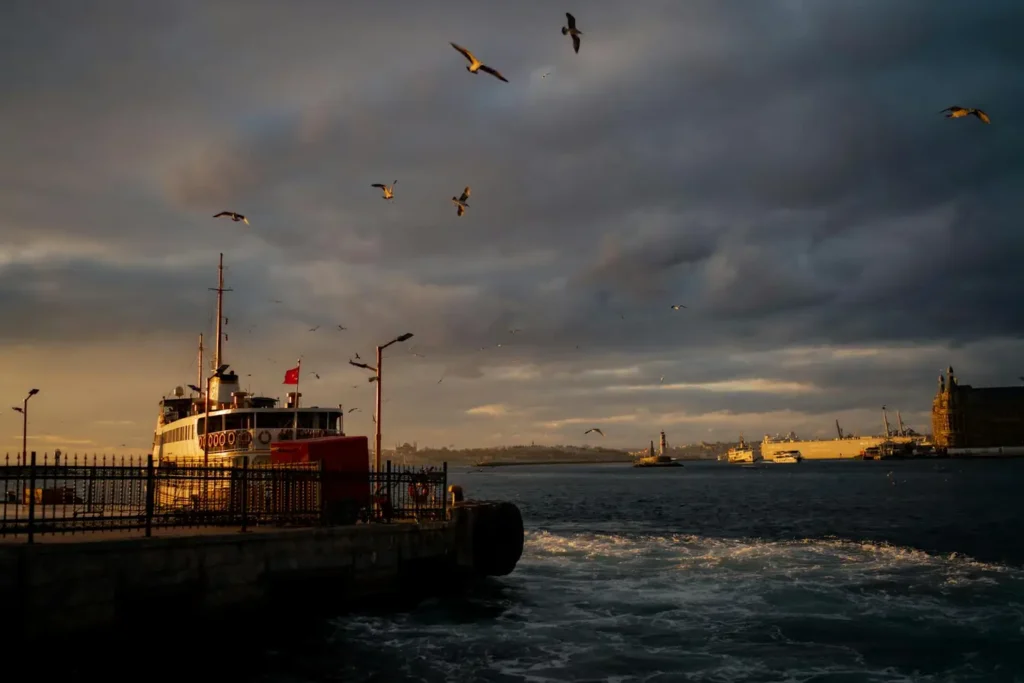
Kadıköy offers a break from the tourist-heavy European side. It’s full of small shops, street art, markets, bookstores, and coffee spots. The energy here is different — more local, more relaxed, and more connected to everyday life.
Moda, a sub-district, is perfect for waterfront walks. Locals sit on the rocks, chat with friends, or enjoy the view.
If you want to experience Istanbul as residents see it, Kadıköy is essential.
14. Camlica Mosque — A Modern Expression of Faith and Architecture
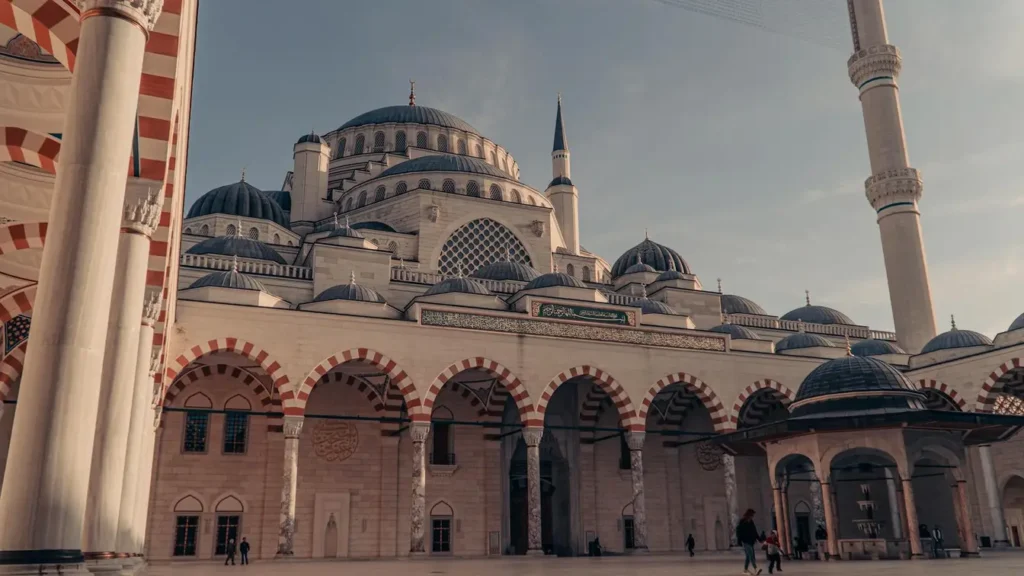
Camlica Mosque is the largest mosque in Turkey, and it feels new, clean, and open. The design is modern, but still respects traditional elements. Inside, the high ceilings and wide spaces create an airy atmosphere. Outside, the hilltop location offers one of the best views in Istanbul.
Even if you’ve visited other mosques, Camlica gives a different experience — more spacious, brighter, and less crowded.
15. Üsküdar — Ending the Day with a Simple, Local Sunset
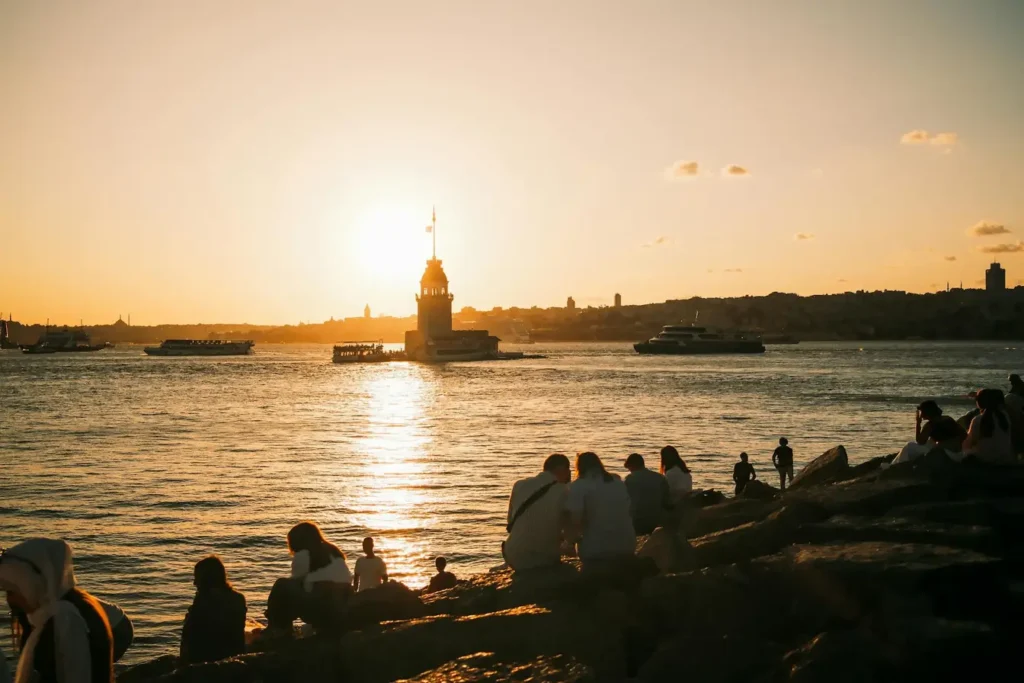
Üsküdar is a place where people come to relax. The waterfront is nothing fancy — no large buildings or high-end restaurants — but it offers one of the most authentic moments in the city. Locals sit along the wall, drink tea from small cups, and watch the sun drop behind the Old City.
You’ll see fishermen, families, teenagers, and older residents all sharing the same space. It’s not a tourist attraction in the traditional sense, but it captures the heart of Istanbul better than many famous sites.
When to Visit Istanbul in 2025
Spring (April to June)
Mild temperatures, long days, and comfortable walking weather. Ideal for first-time visitors.
Fall (September to October)
Bright, cool days and breezy evenings. A perfect time for exploring.
Summer
Hot, crowded, and more expensive. Good for beach trips but tiring for city sightseeing.
Winter
Rainy but quiet. Cheap flights and good hotel prices.
Where to Stay for the Best Experience
Sultanahmet
Close to major historical sites. Perfect for first-time visitors who want short walks.
Taksim and Karaköy
Modern areas with lots of cafés, shops, and nightlife. Good for younger travelers.
Kadıköy
Local, relaxed, and ideal for longer stays.
A Simple 3-Day Itinerary for First-Time Travelers
Day 1
Hagia Sophia → Blue Mosque → Topkapi Palace → Gülhane Park → Dinner in Sultanahmet
Day 2
Bosphorus Cruise → Dolmabahçe Palace → Istiklal Street → Galata Tower → Karaköy cafés
Day 3
Kadıköy market → Moda waterfront → Ferry to Üsküdar → Sunset by Maiden’s Tower
Read more: Best Greek Islands to Visit in 2025: A Complete Guide to Greece’s Most Beautiful Islands
Read more: The 10 Best Hotels To Stay In Venice Italy: A Vacationer’s Manual to Deluxe and also Comfort