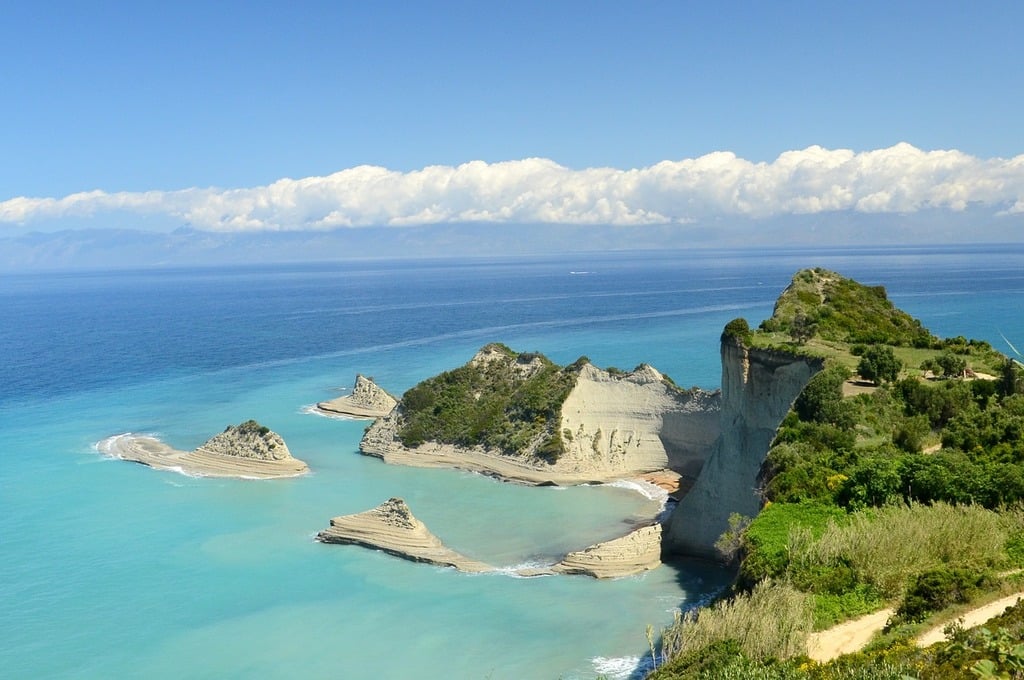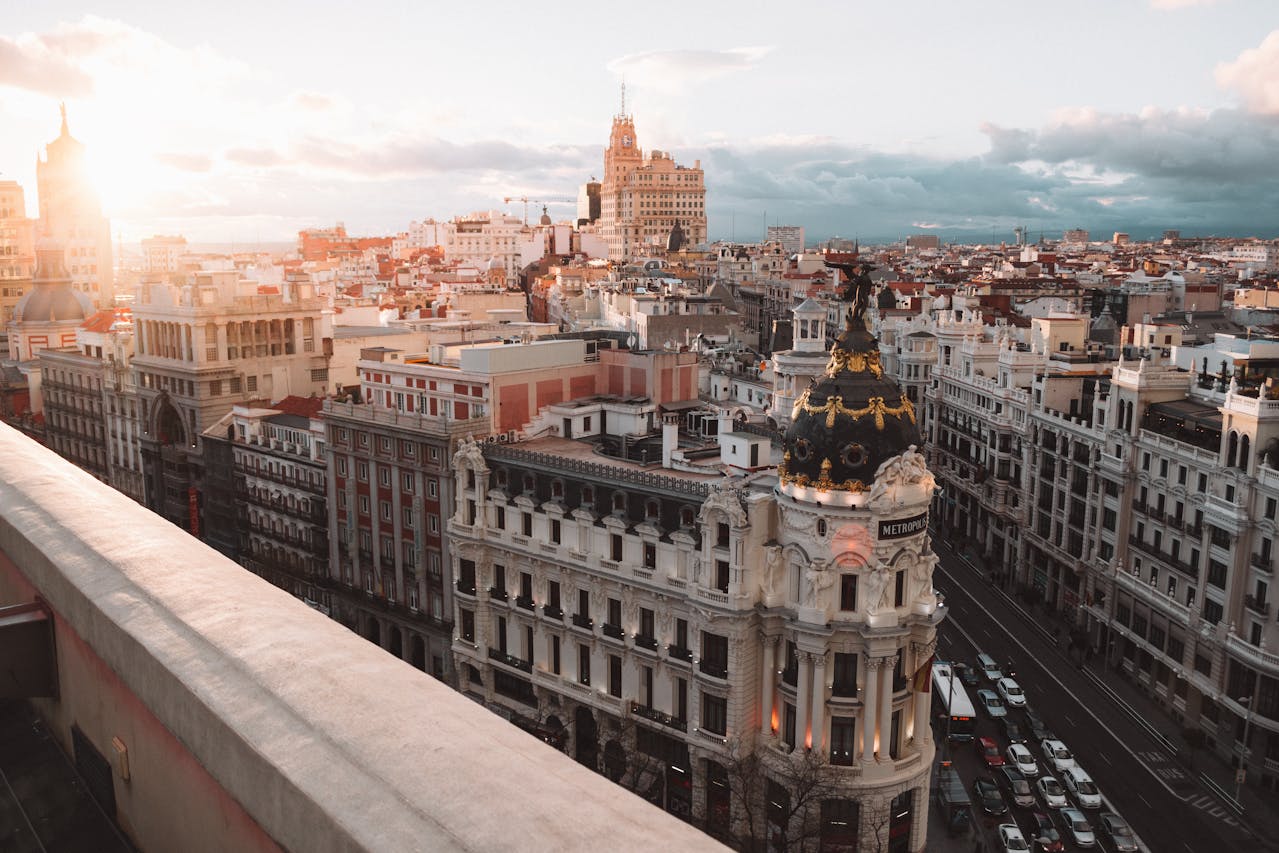
🌍 Why Visit Spain? A Land of Culture, Contrast, and Charm
Spain isn’t just a country—it’s an experience. Each region tells its own story: from Catalonia’s modernist elegance to Andalusia’s Moorish legacies, from Basque Country’s fierce pride to the island rhythms of the Canaries and Balearics. Spain dazzles with its vibrant culture, passionate people, architectural wonders, and world-class gastronomy.
Whether you’re interested in art and architecture, adventure tourism in Spain, or simply basking in Mediterranean sunshine, Spain is a dream destination for all travel types and budgets.
✈️ Travel Methods: Getting to and Around Spain

Arriving in Spain
Most travelers arrive by air through Spain’s well-connected international airports:
- Madrid-Barajas Adolfo Suárez Airport (MAD) – Spain’s largest and busiest airport, ideal for central Spain.
- Barcelona El Prat Airport (BCN) – Perfect for accessing Catalonia and eastern Spain.
- Málaga-Costa del Sol Airport (AGP) – Gateway to the south and Costa del Sol.
- Valencia (VLC), Seville (SVQ), and Bilbao (BIO) also serve many European routes.
Flight prices vary depending on the season:
- From North America: $500–$900 round trip
- From Europe: €30–€150 round trip (with low-cost carriers like Ryanair, Vueling, or EasyJet)
Navigating Spain: Efficient and Scenic
Spain boasts one of Europe’s most impressive transportation networks. Here’s how to get around:
🚄 High-Speed Trains (Renfe AVE)
- Fast, comfortable, and scenic.
- Example: Madrid to Barcelona in 2.5–3 hours, from €50–€130 depending on how early you book.
- Major routes: Madrid–Barcelona, Madrid–Seville, Madrid–Málaga, Barcelona–Valencia.
- Buy tickets early on Renfe.com or apps like Omio or Trainline for discounts.
🚌 Intercity Buses
- Budget-friendly and cover routes where trains don’t.
- Popular companies: ALSA, FlixBus.
- Madrid to Granada: 5–6 hours, €20–€40.
- Buses are modern, air-conditioned, and often include Wi-Fi.
🚗 Car Rentals
- Ideal for exploring rural Spain, hidden villages, and coastal drives.
- Cost: €30–€60/day depending on vehicle and season.
- Recommended in regions like Andalusia, Galicia, and the Basque Country.
- Note: Parking in cities can be expensive and tight; best for countryside exploration.
🚇 Public Transport in Cities
- Metro systems in Madrid, Barcelona, Valencia, and Bilbao.
- Single ride: €1.50–€2.50, daily passes available.
- Buses and trams are reliable and affordable.
✈️ Domestic Flights
- Recommended for long-distance journeys (e.g., Madrid to Tenerife or Barcelona to Lanzarote).
- Carriers: Iberia, Vueling, Air Europa.
- Prices: €30–€100 one way, with frequent departures.
💰 Typical Travel Costs in Spain (By Budget)
Spain is versatile—it can be a budget backpacker’s paradise or a luxury seeker’s delight. Here’s what to expect:
| Category | Budget (€) | Mid-Range (€) | Luxury (€) |
|---|---|---|---|
| Accommodation (per night) | €20–€50 | €60–€120 | €200+ |
| Meals (per day) | €15–€25 | €30–€60 | €80+ |
| Public Transport | €4–€10 | €10–€20 | €30+ |
| Attractions & Tickets | €5–€20 | €20–€50 | €50+ |
| Daily Total | €50–€80 | €100–€200 | €300+ |
Money-saving tips:
- Eat “menú del día” lunches (set menus at local restaurants, often €10–€15).
- Use city cards like the Barcelona Card or Madrid Pass for discounted attractions and transport.
- Travel off-season (November–March, except Christmas) for cheaper flights and hotels.
🏨 Where to Stay: Accommodation by Region
Spain offers a wide range of stays to suit every travel style:
1. Hotels
- Found in all cities. Mid-range hotels range from €60–€120/night.
- Brands like NH Hotels, Iberostar, and Melia offer reliable service.
2. Hostels
- Modern, social, and safe.
- Best for solo travelers and backpackers: €20–€40/night.
- Try The Hat (Madrid) or Sant Jordi Hostels (Barcelona).
3. Vacation Rentals & Apartments
- Great for families or longer stays.
- Available on Airbnb, Booking.com, or Vrbo.
- Ranges from €50–€150 per night.
4. Paradores
- Historic buildings converted into luxury hotels—castles, monasteries, or palaces.
- Example: Parador de Granada (inside the Alhambra grounds), from €250+/night.
Location Tips:
- Barcelona: Stay in Eixample for modernist charm or Gothic Quarter for history.
- Madrid: Base yourself in Gran Vía or Malasaña for walkability and nightlife.
- Seville & Granada: Pick the old town districts for atmosphere and access to sights.
🍷 Food in Spain: A Culinary Adventure
Spanish cuisine is rooted in tradition and regional pride. Each province brings something unique to the table:
Must-Try Dishes
- Tapas: Small shared plates like tortilla, jamón, anchovies, croquetas.
- Paella Valenciana: The original rice dish from Valencia.
- Pintxos: Skewered snacks, popular in northern Spain (especially San Sebastián).
- Gazpacho & Salmorejo: Refreshing cold soups.
- Churros con Chocolate: A sweet finish, best enjoyed for breakfast.
Dining Options
- Tapas Bars: Social, inexpensive, and a must-do experience.
- Local Taverns: Try Andalusian food in Seville or Granada.
- Fine Dining: Spain boasts over 250 Michelin-starred restaurants.
- Try Disfrutar (Barcelona) or DiverXO (Madrid).
Average Meal Costs
- Tapas & drinks: €10–€20
- Three-course meal with wine: €25–€40
- Michelin tasting menu: €100–€250
🏛️ Top Tourist Cities & Attractions in Spain
1. Barcelona
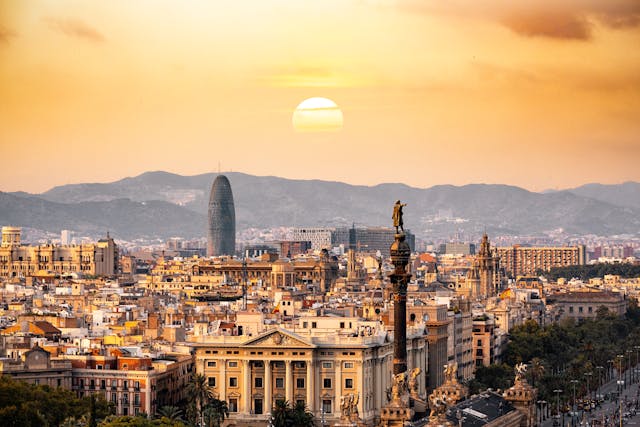
- 🌟 Sagrada Família, Park Güell, Casa Batlló (Gaudí’s architectural legacy)
- Beaches, nightlife, art, and modernist beauty
- Tips: Book tickets online to avoid long queues. Visit early morning or late afternoon.
2. Madrid
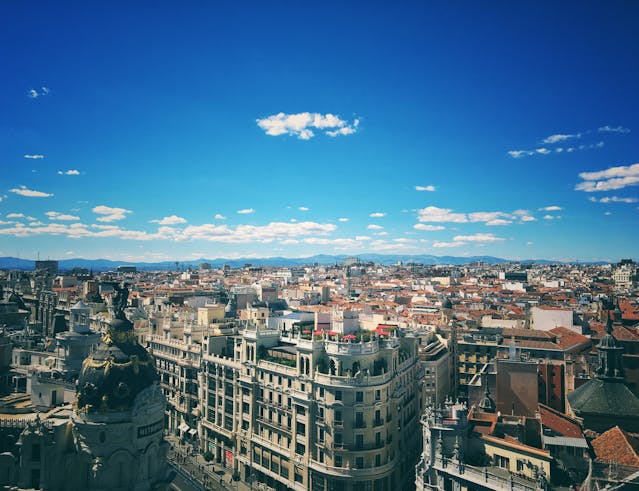
- 🎨 Home to Prado Museum, Reina Sofia, and Thyssen-Bornemisza.
- Royal Palace, Retiro Park, and vibrant neighborhoods like Lavapiés and Chueca.
- Perfect for art lovers and foodies.
3. Seville
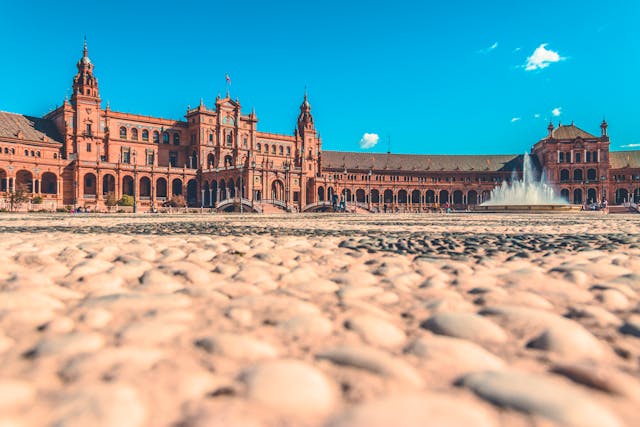
- 🕌 Visit Alcázar Palace, Seville Cathedral, and Plaza de España.
- Flamenco shows and orange-scented streets in the historic Santa Cruz district.
4. Granada
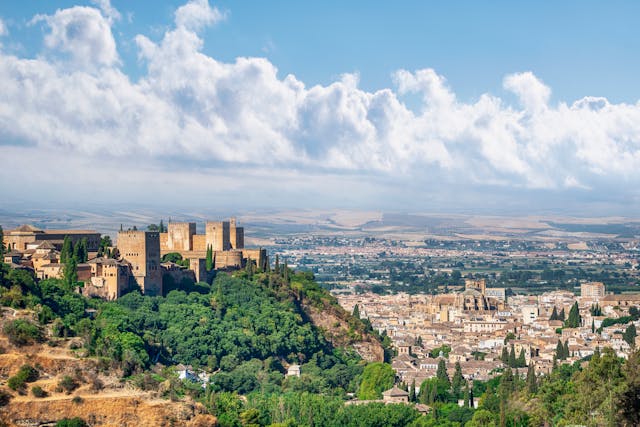
- 🏰 The Alhambra – a UNESCO World Heritage Site. Breathtaking architecture and views.
- Explore the Albaicín (old Moorish quarter) and Sacromonte caves.
5. Valencia
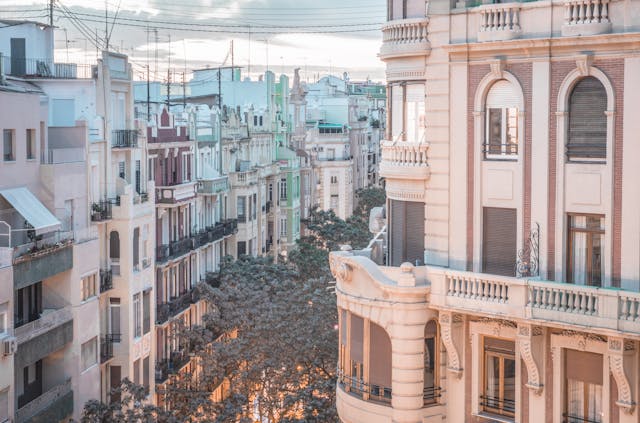
- 🚀 City of Arts and Sciences – futuristic architecture meets Mediterranean charm.
- Birthplace of paella, and home to Las Fallas Festival in March.
6. Canary Islands
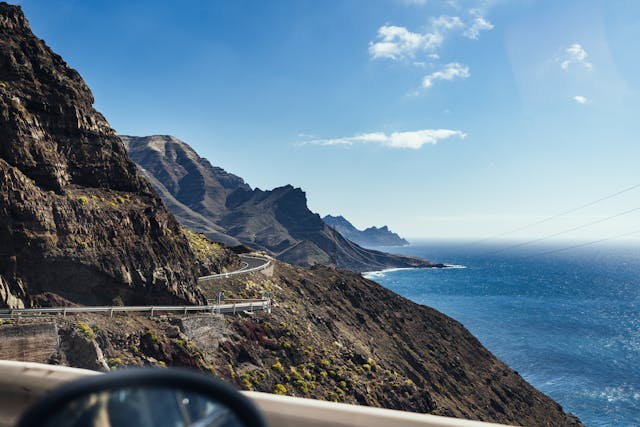
- 🏝️ Best for beach escapes and adventure tourism in Spain.
- Hike in Teide National Park (Tenerife), surf in Fuerteventura, or relax in Lanzarote’s volcanic landscapes.
🧭 Off-the-Beaten-Path: Hidden Gems in Spain
- Ronda (Andalusia) – Dramatic cliffside town with an iconic bridge.
- Cadaqués (Catalonia) – Quaint seaside village and Dalí’s former home.
- La Rioja – Wine region with beautiful vineyards and medieval villages.
- Caminito del Rey (Málaga) – Cliffside walkway for adventurous hikers.
- Sierra de Grazalema – Nature reserve with hiking trails, caves, and whitewashed villages.
These spots offer authentic experiences, fewer crowds, and deeper cultural immersion.
✅ Practical Travel Tips for Spain
Language
- Spanish is spoken everywhere; English is common in tourist areas.
- Regional languages: Catalan (Barcelona), Basque (Bilbao), Galician (Santiago).
Customs & Etiquette
- Spanish people eat late—lunch at 2–4 pm, dinner after 9 pm.
- Tipping: Not obligatory, but rounding up is appreciated.
Safety
- Spain is very safe; main concern is pickpocketing in busy areas like Las Ramblas or Sol.
Best Time to Visit
- Spring (April–June) and Autumn (September–October) for mild weather and fewer crowds.
- Summer is hot, especially in southern Spain.
- Winter is great for cultural travel and deals, especially in Madrid, Seville, and Granada.
Festivals to Plan Around
- Semana Santa (Holy Week) – March/April: Processions in Seville and Málaga.
- San Fermín (Running of the Bulls) – July in Pamplona.
- La Tomatina – Tomato-throwing festival in Buñol, August.
- Las Fallas – Explosive celebration in Valencia, March.
📆 Suggested Travel Plan for Spain (10 Days)
| Day | Destination | Highlights |
|---|---|---|
| 1–3 | Barcelona | Sagrada Família, Gothic Quarter, tapas tour |
| 4–5 | Madrid | Prado Museum, Retiro Park, day trip to Toledo |
| 6–7 | Seville | Alcázar, Cathedral, flamenco show |
| 8–9 | Granada | Alhambra, Albaicín, local cuisine |
| 10 | Valencia or flight to Canary Islands | City of Arts or beach escape |
🧳 Your Spanish Adventure Awaits
From vibrant cities to serene villages, mountain trails to Mediterranean beaches, Spain is a country that satisfies every traveler’s curiosity. With rich cultural traditions, stunning architecture, delicious cuisine, and warm hospitality, it’s easy to see why Spain remains one of the best places to travel in Europe.
Now that you’re armed with all the essentials—transport, budgeting, food, cities, hidden gems—your journey into tourism in Spain can begin with confidence, comfort, and excitement.